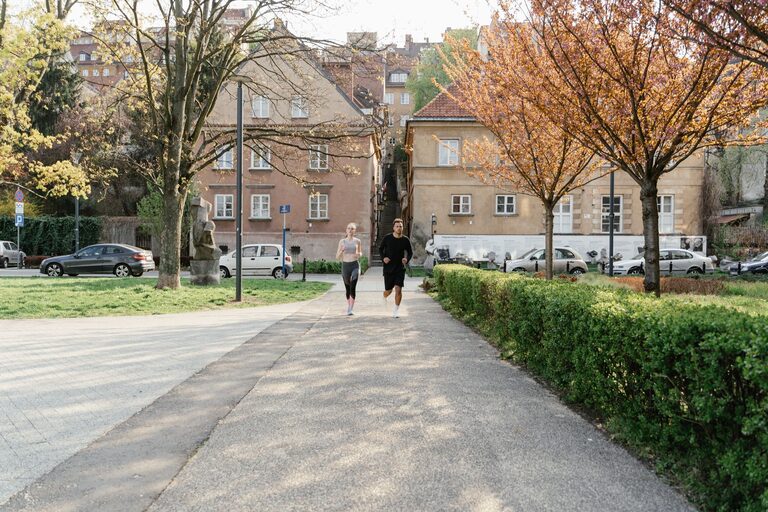
Walking is one of the simplest ways to add more movement to your day. It requires little equipment, fits many schedules, and can be done almost anywhere. The key to making it a lasting habit is to create a routine that feels enjoyable rather than forced.
A year-round walking routine should be flexible enough to work in bright summer weather, crisp fall air, cold winter conditions, and rainy spring days. With a little planning, each season can offer a different reason to look forward to your next walk.
Start With a Routine That Fits Your Life
The best walking routine is one you can repeat. Instead of choosing an ambitious schedule that may be difficult to maintain, begin with a realistic plan.
Consider these questions:
– When do you usually have free time?
– Do you prefer walking alone or with someone else?
– Would you rather walk outdoors, indoors, or use both options?
– How long can you comfortably walk without rushing?
– What locations are convenient and pleasant?
You might begin with a 10- to 20-minute walk three or four days a week. Once that feels natural, you can gradually add time, distance, or an extra day. A consistent short walk is often more useful than an occasional long walk that leaves you feeling discouraged.
Choose a regular time when possible. A morning walk can help you start the day with energy, while an afternoon or evening walk may provide a welcome break from work and household tasks.
Make Walking Enjoyable
A routine becomes easier to maintain when it includes something you genuinely enjoy. Think beyond the walking itself and create a small experience around it.
Try one or more of these ideas:
– Listen to music, an audiobook, or a podcast.
– Walk with a friend, family member, or neighbor.
– Explore a new park or neighborhood.
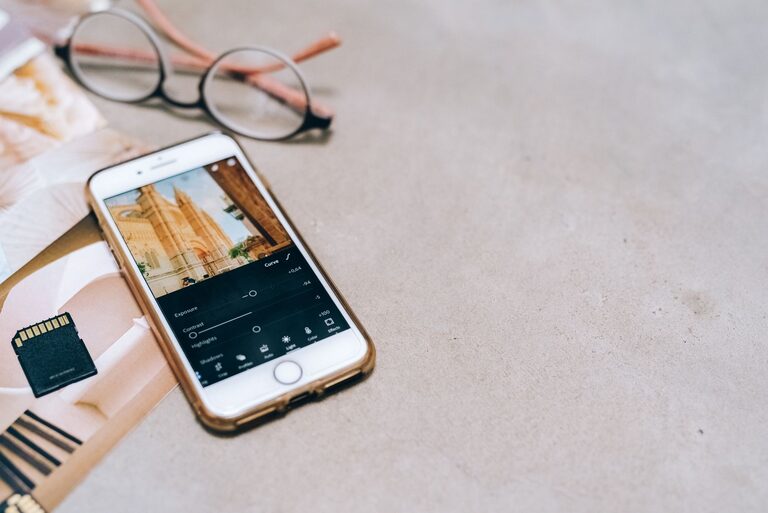
– Take photos of interesting buildings, plants, or seasonal scenery.
– Use your walk as quiet time without a phone or other distractions.
– Stop at a local cafe, library, or shop along the way.
– Set a simple observation goal, such as noticing birds or changing leaves.
You can also create themed walks. For example, choose a different route for each day of the week, plan a weekend nature walk, or take a short evening stroll to enjoy outdoor lights and decorations.
Build a Seasonal Walking Plan
Each season has its own atmosphere, challenges, and opportunities. Adjusting your routine throughout the year can keep it fresh.
Spring: Enjoy a Fresh Start
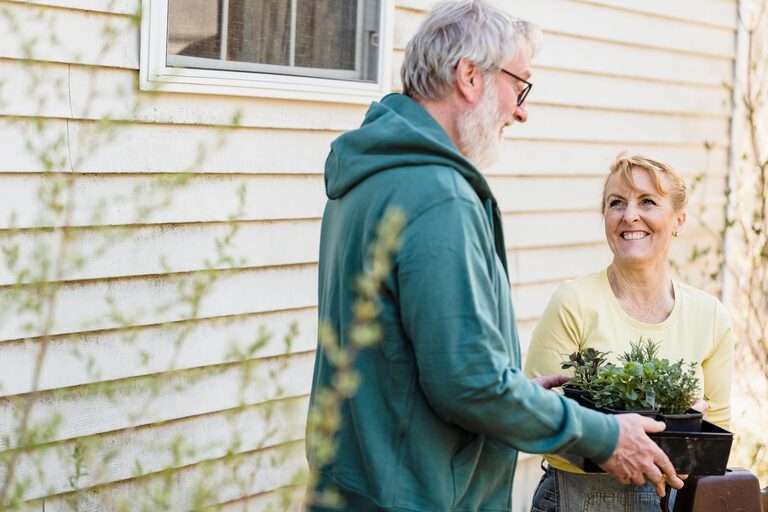
Spring is a natural time to refresh your walking habits. Longer daylight and milder temperatures make it easier to spend more time outside.
Look for local parks, garden paths, and tree-lined streets where you can notice new growth. If spring showers are common in your area, keep a light rain jacket and a compact umbrella ready. Waterproof shoes or shoes with good traction can also make damp paths more comfortable.
Pollen and wet conditions may affect how enjoyable a route feels, so consider choosing less exposed paths or walking indoors when needed. The goal is to stay flexible, not to complete every walk outdoors.
Summer: Plan Around the Heat
Summer offers plenty of daylight, but warm temperatures can make midday walks uncomfortable. Plan your walks for the morning or evening when the air is cooler.
Choose shaded routes when possible, and bring water for longer walks. Wear light, breathable clothing, a hat, and comfortable footwear. If the sun is strong, look for paths with trees or covered sections.
Summer is also a good time to make walking social. Invite friends to explore a nearby trail, walk to a farmers market, or take a relaxed stroll after dinner. Keep the pace comfortable so the walk feels like an enjoyable outing rather than a task.
Fall: Follow the Changing Scenery
Cooler temperatures and colorful leaves make fall a favorite walking season for many people. Use the changing landscape as motivation to visit different parks or neighborhoods.
Layer your clothing so you can adjust as the temperature changes. Pay attention to wet leaves, uneven ground, and earlier sunsets. If you walk in the evening, choose well-lit routes and wear something visible to others.
Fall can also be a good time to set a seasonal goal, such as visiting three new walking locations or completing a certain number of weekend walks. Keep the goal simple and focus on the experience.
Winter: Stay Warm and Flexible
Winter does not have to end your walking routine. It may simply require shorter walks, better planning, and indoor alternatives.
Dress in layers, protect your hands and ears, and choose shoes with reliable traction. Check the conditions before heading out, especially after snow, ice, or freezing rain. If sidewalks or trails are slippery, move your walk indoors. Shopping centers, indoor tracks, museums, and large public buildings may offer comfortable options.
You can also divide a longer walk into several shorter sessions. A few brief indoor walks throughout the day can help you maintain the habit when outdoor conditions are unpleasant.
Prepare a Simple Walking Kit
Keeping a few useful items ready can remove excuses and make it easier to leave the house.
Your walking kit might include:
– Comfortable walking shoes
– Weather-appropriate layers
– A water bottle
– Sunscreen and a hat
– A small bag for keys and personal items
– Reflective clothing or a light for darker hours
– A rain jacket or compact umbrella
– A phone for navigation or emergencies
You do not need expensive gear to begin. Start with items you already own and add equipment only when it solves a specific problem.
Use Flexible Goals
Goals can provide motivation, but they should support your routine rather than create pressure. Instead of focusing only on speed or distance, use goals that reflect consistency and enjoyment.
Examples include:
– Walking on three specific days each week
– Trying one new route each month
– Taking a short walk during your lunch break
– Completing a seasonal walking challenge
– Spending more time outdoors on weekends
– Walking with a friend once a week
Keep a simple record in a notebook, calendar, or phone app. Marking each walk can help you see your progress and identify patterns. If you miss a day, simply return to your routine at the next opportunity.
Create Indoor Backup Options
A backup plan helps your routine continue when the weather does not cooperate. Choose indoor locations before you need them so the decision is easy.
Possible options include:
– An indoor shopping center
– A community center
– A gym or indoor track
– A large public building
– Your home, using several rooms or hallways
– A treadmill, if available
You can also walk in place while listening to music or watching a program. Indoor walking may not provide the same scenery as an outdoor route, but it can help preserve the habit until conditions improve.
Finish Each Walk on a Positive Note
End your walk with something that makes you feel good about completing it. This could be a few minutes of easy movement, a refreshing drink, a favorite song, or a quiet moment outdoors.
Notice how the walk affected your mood and energy. If a route, time of day, or type of clothing made the experience more comfortable, use that information when planning your next outing.
A walking routine does not need to look the same all year. It only needs to remain realistic, enjoyable, and flexible. By adjusting your plans to match the season, preparing for changing conditions, and choosing activities you look forward to, you can make walking a natural part of everyday life.
About the Author