
Create a Safer Home One Step at a Time
A safe home does not need to look or feel like a construction project. Small updates can make everyday tasks easier, reduce common household hazards, and help you move through your space with greater confidence.
The best place to start is with a simple walk-through. Notice areas that feel dark, crowded, slippery, or difficult to use. Pay attention to loose rugs, hard-to-reach switches, cluttered walkways, and items stored too high or too low. Then make improvements based on your daily routines and the layout of your home.
Improve Lighting Throughout the Home
Good lighting makes it easier to see steps, furniture, cords, and changes in floor level. It can also make a room feel more welcoming.
Consider these easy updates:
– Replace dim or burned-out bulbs.
– Add brighter lighting to hallways, stairways, entrances, and bathrooms.
– Use night-lights in bedrooms, bathrooms, and paths to the kitchen.
– Install motion-sensor lights in closets, garages, and outdoor walkways.
– Place a lamp or wall switch where it is easy to reach when entering a room.
– Keep replacement bulbs in a convenient location.
For stairs, lighting should cover the full length of the steps without creating harsh glare. If you use lamps, secure cords along walls and away from walking paths.
Clear Walkways and Reduce Clutter
A clear path is one of the simplest ways to make a home easier to navigate. Look at the routes you use most often, such as the path from the bedroom to the bathroom or from the kitchen to the front door.
Start by removing or relocating:
– Small tables that narrow walkways
– Decorative items placed on the floor
– Boxes and bags near entrances
– Electrical cords crossing paths
– Shoes left on stairs or in hallways
– Furniture that blocks doors or cabinet access
Keep frequently used items within easy reach. For example, place everyday kitchen tools in lower drawers or on an accessible shelf instead of storing them overhead. A small basket near the entrance can hold keys, mail, and other items that might otherwise end up on the floor.
Secure Rugs and Improve Flooring
Loose rugs and slippery surfaces can create unnecessary hazards. If you enjoy using area rugs, choose styles with nonslip backing or secure them with rug pads designed for the floor type.
Check rugs regularly for:
– Lifted corners
– Worn or curled edges
– Sliding when stepped on
– Uneven areas beneath the rug
In bathrooms and kitchens, use mats that are designed to resist sliding and dry quickly. Clean up spills promptly, especially on smooth floors. If a floor surface is consistently slippery, consider replacing the mat or asking a flooring professional about safer options.
Transitions between rooms should also be easy to see and cross. Repair damaged flooring and make sure thresholds are firmly attached. Contrasting colors at steps or floor changes may make them easier to notice.
Make Bathrooms Easier to Use
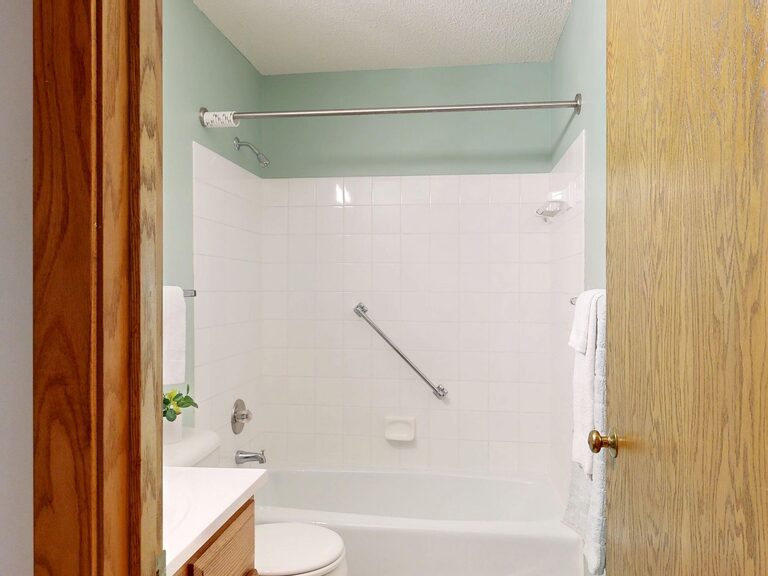
Bathrooms often combine water, smooth surfaces, and limited space, so a few updates can make a meaningful difference.
Useful improvements include:
– Install grab bars near the toilet and inside or beside the shower.
– Use a handheld showerhead for greater flexibility.
– Add nonslip flooring or a secure bath mat.
– Keep soap, towels, and toiletries within easy reach.
– Improve ventilation to reduce moisture and condensation.
– Add a night-light or motion-sensor light.
Grab bars should be securely attached to wall framing or installed with appropriate reinforcement. Towel bars and shower doors are not designed to support body weight, so they should not be used as substitutes. If you are unsure how to install a grab bar safely, contact a qualified professional.
A shower seat may also make bathing more comfortable for some people. Choose a stable model rated for the intended use and keep the surrounding area clear.
Update Stairs, Steps, and Entrances
Stairs and entrances deserve special attention because they are used frequently and may include changes in height or surface.
Check that:
– Stair railings are secure and easy to grip.
– Handrails extend along the full stairway.
– Steps are well lit.
– Outdoor steps are free of leaves, ice, and other debris.
– Walkways are level and in good repair.
– Doorways open fully without hitting furniture.
– House numbers are easy to see from the street.
If a staircase has only one railing, consider adding another if the layout allows. Use high-contrast edging or clearly visible markings where steps are difficult to distinguish. Avoid storing items on stairs, even temporarily.
At the main entrance, a sturdy doormat can help remove moisture and dirt from shoes. Make sure it lies flat and does not slide when stepped on.
Arrange the Kitchen for Convenience
A well-organized kitchen can reduce reaching, bending, and carrying items across the room. Store the things you use most often in places that are easy to access.
Try these changes:
– Keep heavy cookware in lower cabinets or sturdy drawers.
– Store everyday dishes between waist and shoulder height.
– Move sharp tools into a secure, organized drawer or holder.
– Keep appliance cords away from sinks and hot surfaces.
– Clean spills and crumbs from floors and counters.
– Use a step stool with a wide base and a handhold only when necessary.
Avoid standing on chairs or unstable furniture to reach high shelves. If an item is rarely used, consider moving it to a lower storage area or asking someone to help relocate it.
Make Bedrooms More Comfortable at Night
Bedrooms should offer a clear, well-lit route to the bathroom or other parts of the home. Keep a lamp, flashlight, or night-light close to the bed.
Helpful updates include:
– Position the bed so there is a clear path on at least one side.
– Secure or remove small rugs.
– Keep shoes, bags, and charging cables off the floor.
– Place a phone or communication device within reach.
– Use bedside lighting with an easy-to-operate switch.
– Avoid overloading outlets with chargers and power strips.
Before going to bed, take a moment to clear the route you may use during the night. This small habit can prevent surprises in low light.
Review Electrical and Fire Safety
Simple maintenance can help keep your home safer and your equipment working as intended.
Inspect cords for fraying, exposed wires, or loose plugs. Replace damaged items rather than covering them with tape. Avoid running cords beneath rugs or across frequently used paths.
You should also:
– Test smoke alarms according to the manufacturer’s instructions.
– Keep a working fire extinguisher in an accessible location.
– Make sure exits are not blocked by furniture or storage.
– Avoid plugging too many devices into one outlet.
– Keep heaters away from curtains, bedding, and other materials.
– Store matches and similar items safely.
For electrical repairs or new wiring, use a qualified electrician. Check local requirements before making permanent changes to your home.
Build a Simple Safety Routine
Home safety works best as an ongoing habit. Set a reminder every few months to inspect lighting, railings, rugs, cords, and outdoor paths. Seasonal changes are a good time to check entrances and walkways.
You can also create a short daily routine:
- Keep floors and walkways clear.
- Clean up spills as soon as they happen.
- Turn on lights before entering dim areas.
- Return frequently used items to their proper places.
- Check that doors and windows close securely.
By making small updates and maintaining them regularly, you can create a home that supports comfort, convenience, and greater confidence in independent living.
About the Author