
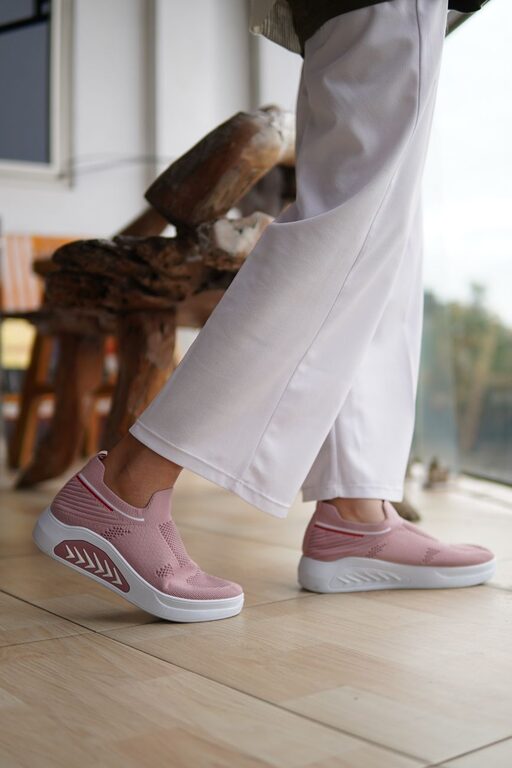
Comfortable walking shoes can make daily activities easier, from commuting and shopping to traveling and taking casual walks. The right pair should feel good from the first step, fit your foot well, and provide enough support for the surfaces and distances you regularly encounter.
Choosing shoes based only on appearance or brand name can lead to discomfort. Instead, focus on how the shoes fit, move, and perform during your typical day. Here are the main features to consider when shopping for everyday walking shoes.
Start With the Right Fit
A good fit is the foundation of comfortable footwear. Even a well-made shoe can feel uncomfortable if it is too narrow, too loose, or the wrong shape for your foot.
When trying on walking shoes, check the following:
– Your toes should have room to move freely.
– Your heel should stay in place without rubbing.
– The widest part of your foot should rest comfortably in the widest part of the shoe.
– The shoe should not press against the sides or top of your foot.
– Your foot should not slide forward when you walk.
Try on both shoes because feet are not always exactly the same size. Choose a size that comfortably fits your larger foot, and wear the type of socks you expect to use with the shoes.
It is also helpful to try shoes later in the day. Feet may expand slightly after hours of standing and walking, so a later fitting can give you a more realistic sense of comfort.
Check the Toe Box
The toe box is the front section of the shoe. It should provide enough space for your toes to spread naturally as you walk.
A toe box that is too narrow may create pressure and cause discomfort during longer periods of wear. On the other hand, a toe box that is too large can allow your foot to move around inside the shoe.
To check the fit, stand up and press gently around the front of the shoe. There should be a small amount of space between your longest toe and the end of the shoe. Your toes should not touch the front when you walk downhill or stop suddenly.
The shape of the toe box matters as well. Some shoes taper toward the front, while others have a more rounded or roomy design. Choose the shape that matches your foot rather than relying only on the printed size.
Look for Comfortable Cushioning
Cushioning helps soften the feel of each step, especially on hard surfaces such as sidewalks, floors, and pavement. However, more cushioning is not always better. The best amount depends on your preferences and daily activities.
When comparing shoes, consider:
– How soft or firm the sole feels
– Whether the cushioning feels even from heel to toe
– How stable the shoe feels while standing
– Whether the shoe remains comfortable after several minutes of walking
Very soft shoes may feel comfortable at first but can feel less stable during longer walks. Firmer cushioning may provide a more grounded feel. If possible, walk around the store or your home for several minutes to see how the shoes feel over time.
Removable insoles can also be useful. They may allow you to replace the original insole with another option that better matches your preferences or gives you more room inside the shoe.
Consider Support and Stability
Everyday walking shoes should feel secure without being stiff or restrictive. A supportive shoe helps keep your foot comfortably positioned as you move through daily activities.
Pay attention to the following features:
A Secure Heel
The heel area should hold your foot in place without squeezing it. If your heel lifts noticeably with every step, the shoe may be too large or the heel design may not suit your foot.
A Stable Base
A shoe with a reasonably wide and stable base may feel more secure than one with a very narrow sole. This can be especially useful when walking on uneven sidewalks, store floors, or other changing surfaces.
Comfortable Midfoot Fit
The middle of the shoe should feel snug enough to prevent excessive movement, but it should not create pressure across the top or sides of your foot. Adjustable laces, straps, or other fastening systems can help you fine-tune the fit.
Choose the Right Flexibility
Walking shoes should bend in a way that feels natural for your stride. A shoe that is too stiff may feel awkward, while one that bends too easily may lack a stable feel.
Hold the shoe at both ends and gently bend it. It should flex near the front of the foot rather than folding completely through the middle. Then try walking in it to see whether the sole moves comfortably with you.
Flexibility is particularly important if you spend much of the day walking, standing, or moving between different locations. For casual, short-distance use, you may prefer a softer and more flexible design. For longer walks, a balance of flexibility and structure can feel more comfortable.
Pay Attention to Materials and Breathability
The materials used in a shoe affect comfort, weight, durability, and airflow. Mesh and other breathable fabrics can help keep feet feeling cooler during active days. Leather and synthetic materials may offer more structure or resistance to light moisture, depending on the design.
Look for materials that match your routine:
– Breathable uppers for warm conditions or extended wear
– More structured materials for added support
– Flexible fabrics for a lighter feel
– Durable outer materials for frequent outdoor use
The inside of the shoe should feel smooth, with no rough seams or edges that could cause rubbing. Check the tongue, heel collar, and lining before buying.
Match the Sole to Your Activities
The outsole is the part of the shoe that contacts the ground. Its design affects traction, durability, and overall feel.
For everyday use, look for a sole with enough grip for the surfaces you commonly walk on. A flat, lightweight sole may work well for indoor activities and short trips. A more durable outsole with visible tread may be better for frequent outdoor walking.
Consider where you will wear the shoes most often:
– Sidewalks and streets
– Shopping centers and indoor floors
– Parks and paved paths
– Workplaces that require extended standing
– Travel destinations with varied surfaces
If you plan to use one pair for several settings, choose a versatile design with moderate cushioning, reliable traction, and a style that fits your daily wardrobe.
Test the Shoes Before Buying
Whenever possible, take time to walk in the shoes before making a purchase. Walk at your normal pace, turn corners, climb a few steps, and stand still for a moment.
Ask yourself:
– Do the shoes feel comfortable immediately?
– Is there any rubbing or pressure?
– Do your feet slide inside the shoes?
– Do the shoes feel balanced and stable?
– Can you move your toes comfortably?
– Does the sole bend naturally?
Do not assume that shoes will become comfortable after a long break-in period. Some materials may soften slightly, but significant pinching, rubbing, or pressure is usually a sign of a poor fit.
When shopping online, check the retailer’s size guide and return policy. Read reviews for comments about width, cushioning, sizing, and everyday comfort. If you are between sizes, compare the measurements rather than choosing automatically by habit.
Care for Your Walking Shoes
Even comfortable shoes can lose their shape and cushioning with regular use. Rotate between pairs when possible, and allow shoes to air out between wears.
Keep them clean according to the manufacturer’s instructions, and avoid placing them near high heat. If the insoles become worn or the outsole loses its grip, it may be time to replace the shoes.
The right pair of walking shoes should support your routine without demanding constant attention. Focus on fit first, then compare cushioning, stability, flexibility, materials, and traction. By testing shoes carefully and choosing a design suited to your daily activities, you can find footwear that feels comfortable from morning to evening.
About the Author